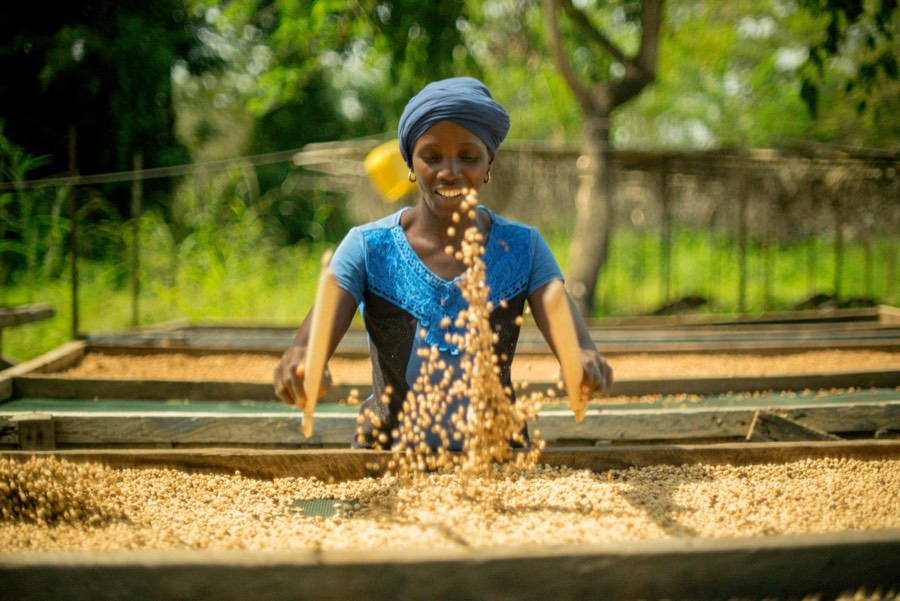
A farmer turning coffee on raised drying beds in Macenta, Guinea
Taking Robusta to the next level · Ramona Origins LLC · Atlanta, GA

Guinean Fine Robusta, direct to US roasters.

Ramona Origins brings Specialty Fine Robusta from Macenta Beans, Guinea, to roasters across the United States. Single-origin, fully traceable, imported without a third-party markup. One of the world's finest Robustas, grown beside a UNESCO World Heritage forest and processed in the first washing station of its kind in West Africa. Samples are in Atlanta and ready to ship.

81+
Minimum cup score (European grading)
3
Processes: Honey, Natural, Fermented
2,500+
Partner smallholder farmers
2013
OAPI Geographical Indication, one of the first three in West Africa
Why buy through Ramona Origins

Inclusive. Transparent. Ecological.

Coffee from Guinea is still largely unknown. Macenta Beans is changing that, producing one of the world's finest Robustas while supporting farming communities for an industry that benefits people and works in harmony with nature. Ramona Origins LLC, based in Atlanta, is its direct-trade partner and importer of record in the United States: roasters buy from a US company, in dollars, with no third-party markup.

01

Importer of record, selling direct

We handle the import, the paperwork and the landed logistics. You deal with one US company from sample to delivery.

02

Samples in the US right now

Honey, Natural and Fermented sample pouches are stocked in Atlanta and ship domestically. No waiting on a parcel from West Africa.

03

One origin, fully traceable

Every lot comes from Macenta Beans and its direct-trade network of 2,500+ smallholders in the Macenta rainforest. Farmers are paid above commodity price.

04

Built for the US cup

More and more US roasters are blending in Fine Robusta for body and crema, or putting it on the menu as a single origin. Macenta is a clean, low-acid Robusta that earns its place in the blend or on its own.

A Macenta Beans worker sorting parchment coffee on a drying table
The coffee

Three processes, one origin

All three lots are Coffea canephora from the Macenta region, hand-picked, hand-sorted and processed at the central Macenta Beans washing station under intense quality control. Each one cups at a minimum of 81 points. Base cup profile: herbal, dried fruit, bold and round.

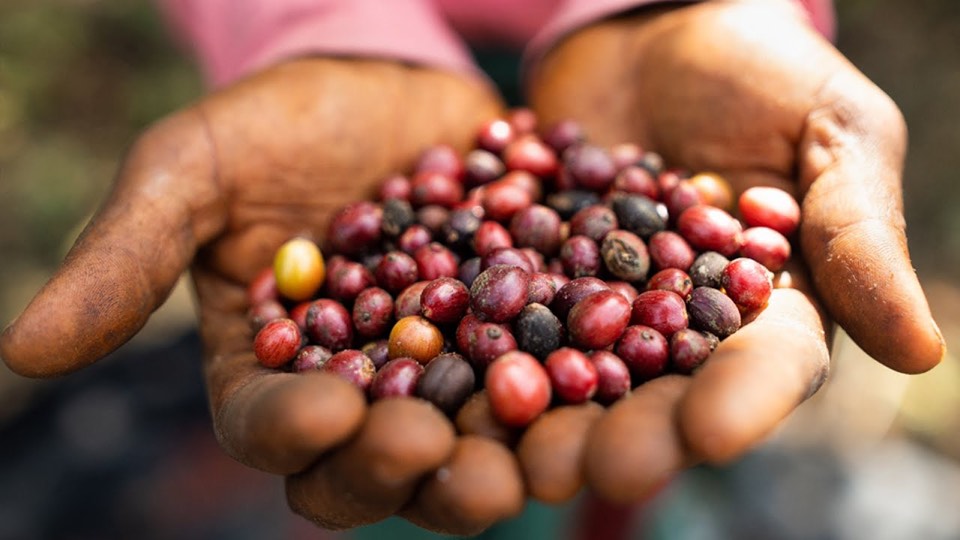
Ripe red Robusta cherries
Lot 01

Honey

Pulped with the mucilage left on during drying. Sweeter and rounder than a washed Robusta, with toffee and dried-fruit notes and a dense, lasting crema.

Species
Coffea canephora (Fine Robusta)
Region
Macenta, Forest Guinea
Packaging
60 kg jute bags
Sample
117 g pouch, US stock
Raised drying beds at dusk in Macenta
Lot 02

Natural

Whole cherries sun-dried on raised beds. The fullest body of the three, with spice, dark chocolate and nut, and the clean finish that separates Fine Robusta from the commodity grade.

Species
Coffea canephora (Fine Robusta)
Region
Macenta, Forest Guinea
Packaging
60 kg jute bags
Sample
117 g pouch, US stock
Sacks of freshly picked cherries at the Macenta station
Lot 03

Fermented

A controlled fermentation before drying that brings out more fruit and aromatic complexity than Robusta is usually credited with. The lot for roasters who want something to talk about.

Species
Coffea canephora (Fine Robusta)
Region
Macenta, Forest Guinea
Packaging
60 kg jute bags
Sample
117 g pouch, US stock

Lot sheets with harvest year, moisture, screen size and availability are sent with every sample. Tell us your roast style and intended use and we'll recommend where to start.

Origin & climate
Region
Macenta, Guinea, West Africa
Altitude
600–1,100 m.a.s.l.
Soil
Volcanic
Rainfall
2,000–3,000 mm / year, 260–280 days
Avg. temperature
25°C (12–31°C)
Product specifications
Grade
Fine Robusta (Specialty)
Score
Min. 81 points
Processing
Honey, natural, fermented (washed on request)
Packaging
60 kg jute bags
Geographical Indication
OAPI-recognised (2013)
How it works

From sample to your roaster in four steps

STEP 1

Request a sample

Use the form below or email us. Tell us which of the three processes you want to cup. Samples ship from Atlanta.

STEP 2

Cup and roast

Roast it your way, cup it against what's on your shelf. We'll send the lot sheet with the pouch.

STEP 3

Get a quote

We price in US dollars with landed US terms. Tell us your volume and we'll come back with availability and a quote.

STEP 4

Receive your green

Ramona Origins clears and delivers. You deal with one US company from first pouch to full bags.

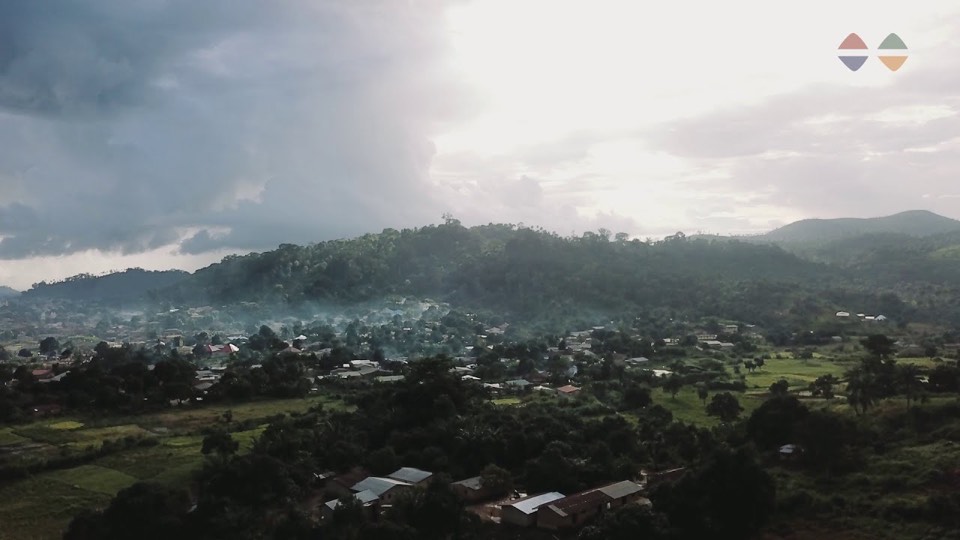
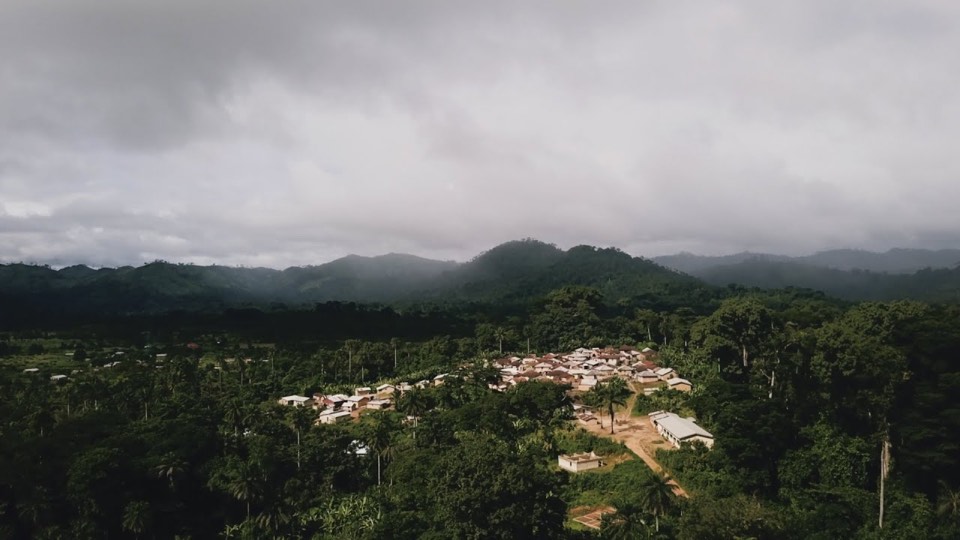
The origin: Macenta, Guinea

Coffee's overlooked birthplace

Macenta sits beside the Ziama Massif, a UNESCO World Heritage forest home to 22 protected species, inside Coffea canephora's original range, the same species most of the world knows only as a bulk commodity. Since 2013 the coffee of Macenta has held one of the first three Geographical Indications recognised by OAPI. Guinea's coffee story runs from wild rainforest genetics through colonial cash-cropping to a young generation of farmers betting on quality over volume.

Macenta, Forest Guinea8.54° N, 9.47° W · beside the Ziama Massif

DEEP HISTORY

Wild robusta, native to this rainforest

Coffea canephora's roots trace to the humid understory forests of central and western sub-Saharan Africa, a belt running from Guinea to Uganda to Angola. Long before "Robusta" was a market category, it was simply what grew here.

EARLY 1900s

A colonial cash crop

Under French colonial rule, Robusta became the coffee of French West Africa, while British East Africa concentrated on Arabica, a split that still shapes global coffee culture today. Wild material selected from Guinea's forests was even shipped abroad to seed Robusta breeding programs in the Congo and Java.

1958 – 2000s

Independence, and a focus on volume

After independence, Robusta remained a bulk export crop. Farmers were paid by weight, not cup quality, and Guinea's coffee, despite its unusual genetic heritage, built no reputation of its own in international markets.

2014 – 2016

Peak production, then crisis

Guinea's Robusta output peaked at roughly 280,000 60kg bags in the 2015/16 season, right as the West African Ebola outbreak devastated farming communities across the region.

2019

Macenta Beans is founded

Mamy Dioubaté starts Macenta Beans in the UNESCO-protected Macenta rainforest, with a simple thesis: this terroir can produce specialty-grade Robusta, not just bulk commodity beans.

2020

Macenta Beans builds a washing station

Macenta Beans invests in a central, state-of-the-art washing station, the first of its kind in West Africa, expanding direct partnerships from an initial 73 farmers toward the 2,500-farmer network it works within today.

TODAY

Doubling down on quality, and opening the US

Macenta Beans exports washed, honey, natural and fermented lots directly to specialty roasters and is working toward the region's first dry mill. Ramona Origins now carries those lots into the United States as importer of record.

The land and the people

Where it grows, who grows it

Robusta here is still mostly a smallholder's crop, grown under forest canopy, picked and sorted by hand, in a town most of the coffee world has never had reason to look up.

Rows of young coffee seedlings at the Macenta Beans nursery
The Macenta Beans nursery: hundreds of thousands of seedlings raised each season for partner farmers
A farmer at the raised drying beds in Macenta
Raised-bed drying at the Macenta station
Coffee blossom on a Robusta tree
Robusta in flower under the canopy
Two women holding coffee seedlings at the nursery
Nursery team members with seedlings ready to plant out
Farmers loading sacks of coffee cherries
Partner farmers delivering cherries to the station
See it for yourself

Macenta, on camera

Three short films from the Macenta Beans team: the town and the forest, how the coffee is dried, and why bees matter to a Robusta farm.

Film 01

This is Macenta, Guinea

The town, the rainforest and the people behind the coffee.

Film 02

How we dry coffee

Raised beds, daily turning and the patience behind a clean cup.

Film 03

Bees, biodiversity and Robusta

Why pollinators and forest cover are part of the flavor.

Why it cups different

What actually makes Macenta good

Not marketing. Terroir, genetics and process. Six reasons roasters are starting to pay attention.

01

Altitude & volcanic soil

Grown between 600 and 1,100 meters in nutrient-rich volcanic ground, altitude most bulk Robusta never sees.

02

A rainforest microclimate

260–280 rainy days a year, 2,000–3,000mm of annual rainfall, and an average temperature near 25°C, beside the Ziama Massif, a UNESCO World Heritage forest.

03

Wild, uncloned genetics

These trees descend from Robusta's native Guinean populations, not the commercial clones grown across most of Southeast Asia and Brazil.

04

Agroforestry, not monoculture

Farmers grow under the forest canopy with no chemical fertilizer and no irrigation beyond rainfall.

05

Honey, natural & fermented processing

Labor-intensive methods rarely applied to Robusta anywhere, chosen for cup quality instead of raw yield.

06

Direct trade, real premiums

2,500+ smallholder farmers are paid above commodity price, with profits reinvested into the local growing ecosystem.

Fine Robusta vs. Robusta

Not all Robusta is the same coffee

Most US roasters have only ever met Robusta as a commodity grade: harsh, rubbery, bought for caffeine and crema and nothing else. Fine Robusta is graded, sorted and processed like specialty coffee, and it cups like it. Here is how Macenta compares to the Robusta already in the US market.

Dimension Macenta Fine Robusta via Ramona Origins Commodity Robusta (typical)
Cup profileLow-acid, full-bodied, spicy-nut & toffee notes, clean finish, dense cremaHarsh, grainy, rubbery, flat. Built for volume, not flavor
Cup scoreMinimum 81 (European grading)Ungraded, or below the 80-point Fine Robusta threshold
GeneticsWild, uncloned Guinean populations from Robusta's native rangeCommercial clones selected for yield
HarvestHand-picked at ripeness, hand-sortedStrip-picked, ripe and unripe together, machine sorted
ProcessingHoney, natural & fermented lots from a dedicated washing stationMostly dried on the ground in bulk
DefectsSorted to specialty toleranceHigh defect count accepted
Farming modelAgroforestry under rainforest canopy, smallholder, no chemical inputsOften full-sun monoculture, yield-focused
Caffeine contentUp to ~2.7%Up to ~2.7%
Origin protectionOAPI Geographical Indication (2013)None
TraceabilitySingle origin, single station, named farmer networkBlended across farms, regions and sometimes countries
Best useSingle origin espresso, premium blends, cold brewInstant coffee, low-cost blends
SOURCES — COFFEE QUALITY INSTITUTE (FINE ROBUSTA STANDARDS), WORLD COFFEE RESEARCH, PERFECT DAILY GRIND, KAFFEEMACHER
For US roasters

Taste it before you buy it

Sample pouches of all three processes are in stock in Atlanta. Tell us about your roastery and which lots you want to cup, and we'll ship the samples with their lot sheets and follow up with availability and US pricing.

Request samples

Opens a pre-filled email in your mail app. No account needed.
Request a sample